By Analyst Team · Updated 2026-07-17 · 14 min read
Choosing an ip-tv provider can feel overwhelming when you search online. Between conflicting Reddit threads, unfamiliar technical terms, and dozens of services claiming to be "the best ip-tv provider 2026," how do you know which one actually works for your home setup? This guide cuts through the noise. We explain what IPTV actually is, how it works under the hood, what you should check before paying, and how to spot a reliable ip-tv provider that delivers stable streaming without buffering.
LIMITED TIME AVAILABILITY
Unlock Full ip-tv provider Access
Unlock complete high-definition information and priority access packs. Lock in your pricing model today before plans return to standard regional metrics.
What Is an ip-tv Provider Exactly?
An ip-tv provider is a service that delivers television content over the internet using the Internet Protocol (IP) network, rather than through traditional terrestrial, satellite, or cable formats. This is the technology behind what most people call IPTV (Internet Protocol Television). Instead of broadcasting a range of channels simultaneously and letting you tune in to one, an ip-tv provider sends only the channel you request, on demand, through your internet connection.
The content library from a typical ip-tv provider includes live TV channels from various countries, video on demand (VOD) movies and series, catch-up TV, and sometimes exclusive sports packages. Related entities in this ecosystem include the IPTV middleware (the software managing user accounts and EPG data), the content delivery network (CDN) that reduces buffering, and the player app you install on your device.
Unlike cable TV that requires a physical coax cable or satellite dish, a reliable ip-tv provider works over any standard broadband connection. This flexibility is why many households now ask "where to buy ip-tv legally" and switch from expensive cable bundles.
How an ip-tv Provider Works — Step by Step
Understanding the technical flow helps you know what to expect and how to troubleshoot issues. Here is exactly what happens when you stream from an ip-tv provider:
Step 1: Subscription and Authentication — You sign up with an ip-tv provider and receive a unique username, password, or M3U URL. Some providers use MAC address authentication for MAG devices. This credentials pair is verified each time you connect.
Step 2: Connecting to the Middleware Server — When you open your IPTV player app, it contacts the provider's middleware server. The server fetches your account details, subscription expiry date, and the channel list tailored to your plan.
Step 3: Loading the Electronic Program Guide (EPG) — Your player downloads the EPG data, which contains the current and upcoming schedule for every channel. A good ip-tv provider updates this EPG every 6-12 hours so you see accurate show timings.
Step 4: Streaming the Channel — You click on a channel. The middleware sends a request to the streaming server, which segments the video into small chunks (usually using HLS or MPEG-TS protocols). These chunks travel through a CDN to minimize buffering. Your player decodes and displays the video in real-time.
Step 5: Adaptive Bitrate (Optional) — Premium ip-tv providers implement adaptive bitrate streaming. If your internet speed drops, the server automatically sends a lower-resolution stream to prevent buffering. If your speed improves, it switches back to HD or 4K.
This entire process happens in under two seconds when you have a good ip-tv provider and a stable internet connection of at least 25 Mbps for HD content.
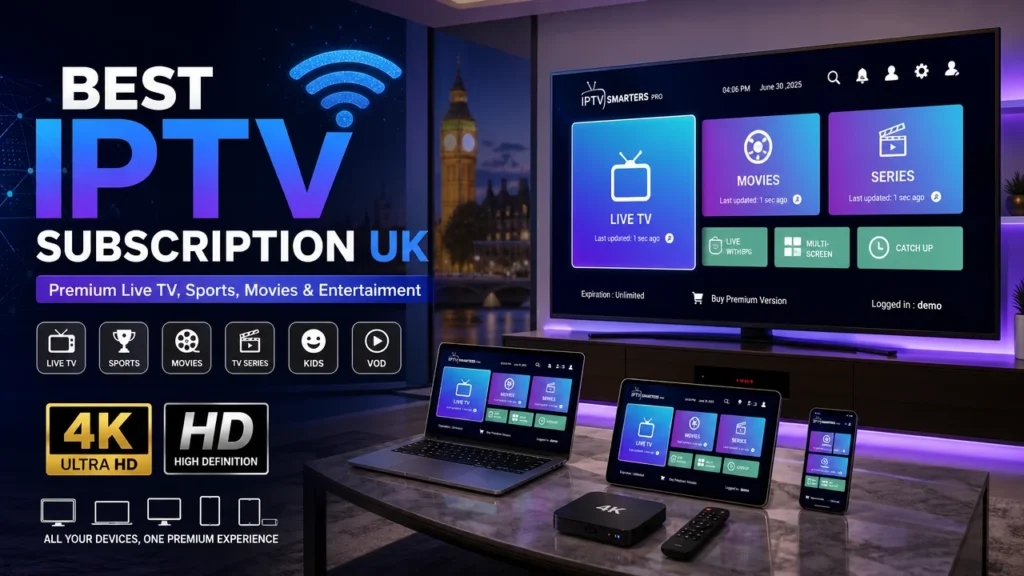
Secure special promotional rates instantly before the window closes.
Activate Your ip-tv provider Subscription Now →Concrete Benefits of Using a Reliable ip-tv Provider
Why are millions of households switching from cable to IPTV? The advantages are tangible and immediate:
Cost Savings: The cheapest ip-tv subscription typically costs between $8 and $15 per month, compared to $80-$150 for cable. Even premium packages rarely exceed $25 monthly.
Channel Diversity: A single ip-tv provider can offer 10,000+ channels from 60+ countries. You get US networks, UK channels, Indian entertainment, European sports, and African news — all in one app.
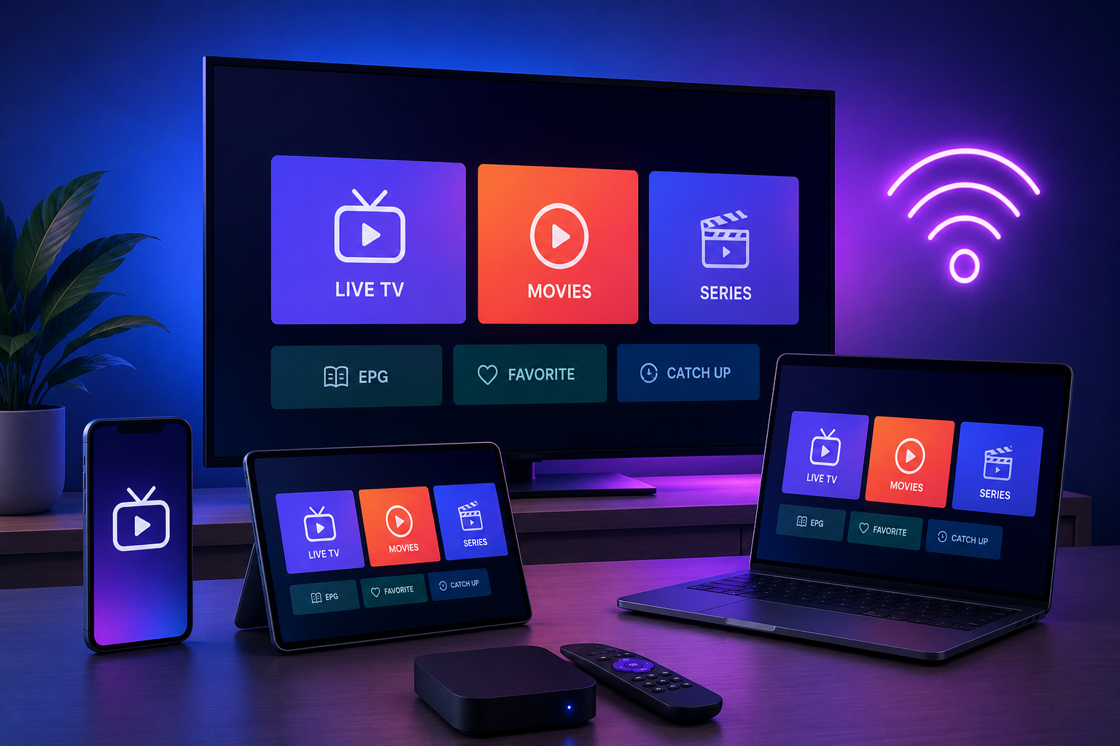
Multi-Device Support: Most services work on Smart TVs (Samsung, LG, Android TV), Amazon Fire Stick, Android boxes, iOS, Windows, Mac, and even some gaming consoles. One subscription covers your whole home.
Catch-Up and VOD: A good ip-tv provider gives you access to movies and shows from the last 7 days (catch-up) plus a library of thousands of films and series available on demand.
No Long Contracts: Unlike cable companies that lock you in for 12-24 months, most ip-tv providers offer monthly, quarterly, or yearly plans with no binding contracts. You can cancel anytime.
These benefits explain why "iptv service vs cable tv" comparisons consistently favor IPTV for budget-conscious households that want global content.
Honest Limitations You Need to Know
No technology is perfect. Before you choose an ip-tv provider, understand these genuine drawbacks:
Internet Dependency: IPTV requires a stable internet connection. If your ISP throttles streaming traffic or your Wi-Fi is weak, you will experience buffering. Cable TV does not have this vulnerability.
Legality Gray Area: While IPTV technology itself is legal, many providers stream copyrighted content without proper licensing. You must find a verified ip-tv provider that operates legally to avoid risks.
Server Downtime: Even reliable ip-tv providers occasionally experience server maintenance or outages. During major live events like the Champions League final, high traffic can degrade performance.
Setup Complexity: Unlike plug-and-play cable boxes, IPTV requires you to install an app, configure it with a URL or code, and sometimes adjust network settings. It takes 10-15 minutes to set up correctly.
Being aware of these limitations helps you set realistic expectations and choose an ip-tv provider that offers trial periods to test performance on your connection.
iptv Service vs Cable TV — Full Comparison
If you are debating between a traditional cable subscription and an ip-tv provider, the table below summarizes the key differences to help you decide.
| Feature | ip-tv Provider | Cable TV |
|---|---|---|
| Monthly Cost | $8 – $25 | $80 – $150+ |
| Channel Count | 5,000 – 20,000+ | 100 – 500 |
| Picture Quality | HD, FHD, 4K (depends on provider) | HD, FHD (limited 4K) |
| Contract Required | No — monthly or flexible | Yes — typically 12-24 months |
| Device Support | Smart TV, Fire Stick, phone, tablet, PC | Cable box only |
| Requires Internet | Yes (25 Mbps+ recommended) | No — coaxial cable |
| Video on Demand | Yes — extensive library | Limited — extra fees |
| Catch-Up TV | Yes — 7 days most channels | Rarely included |
| Setup Time | 10-15 minutes (DIY) | Professional installation (1-3 hours) |
As the table shows, an ip-tv provider wins on cost, flexibility, and content volume. However, cable TV offers guaranteed reliability and works without an internet connection. Your choice depends on your priorities.
Who Is an ip-tv Provider Best For?
Sports Fans: If you follow multiple leagues (Premier League, NFL, NBA, UFC, La Liga), finding an ip-tv provider for sports with dedicated sports packages and multi-game viewing is a game changer. You get every match without paying for expensive sports cable packages.
Expatriates and Immigrants: People living abroad who want access to TV channels from their home country. A good ip-tv provider includes regional channels from India, Brazil, Arabic countries, Philippines, Turkey, and many others.
Cord-Cutters: Households tired of paying $150+ per month for cable. The cheapest ip-tv subscription reduces your TV bill by 80-90% while giving you more channels.
Tech-Savvy Users: People comfortable setting up apps and configuring devices. If you know how to install an APK on Fire Stick or enter an M3U URL, you will enjoy the flexibility IPTV offers.
Binge-Watchers: If you prefer watching movies and series on demand rather than scheduled TV, an ip-tv provider with a strong VOD library is ideal.
This technology is not for everyone. If you want something that "just works" without any configuration, or you have unreliable internet, cable TV might still be the better option.
How to Get Started With an ip-tv Provider — 7 Practical Steps
Follow these steps to set up your IPTV service correctly the first time:
Step 1: Assess Your Internet Speed — Run a speed test at speedtest.net. You need at least 25 Mbps for HD streaming and 50 Mbps for 4K. If your speed is lower, you might experience buffering regardless of how good your ip-tv provider is.
Step 2: Research and Choose a Provider — Look for "ip-tv provider reviews reddit" and other forums. Check for trial availability, supported devices, channel list, and EPG quality. Read recent reviews from the last 3 months.
Step 3: Select Your Device — For the best experience, use an Android TV box (like Nvidia Shield), Amazon Fire Stick 4K, or a Smart TV with native IPTV app support. These devices handle IPTV apps smoothly.
Step 4: Install an IPTV Player App — Popular options include TiviMate (Fire Stick/Android), IPTV Smarters Pro, GSE Smart IPTV, and OTT Navigator. Most are free or cost a few dollars for premium features like recording.
Step 5: Configure Your Subscription — Your ip-tv provider will send you an M3U URL, Xtream Codes API credentials, or a portal URL. Enter this information into your player app. Most apps have a simple "Add Playlist" option.
Step 6: Test All Features — During your trial period, test live channels, VOD content, catch-up TV, and EPG accuracy. Try different times of day to assess server load. Test on multiple devices if you plan multi-room usage.
Step 7: Optimize Your Network — Connect your streaming device via Ethernet if possible. If using Wi-Fi, ensure your router supports 5GHz and your device is within range. Consider a VPN if your ISP throttles streaming services.
Completing these steps typically takes 20 minutes but saves you hours of troubleshooting later.
How to Choose a Reliable ip-tv Provider With No Buffering
Finding a reliable ip-tv provider no buffering requires knowing what to check before you subscribe. Here are the five most important factors:
Server Infrastructure: Inquire if the provider uses multiple dedicated servers and a CDN. Providers with servers in Europe, North America, and Asia generally offer lower latency worldwide.
Connection Limits: Some ip-tv providers limit you to one connection. Others allow 2, 3, or unlimited simultaneous connections. If you have a family, choose a plan that supports multiple streams.
EPG Accuracy: An Electronic Program Guide that is out of sync by 30 minutes or more ruins the experience. Ask current users on "ip-tv provider reviews reddit" threads about EPG reliability.
Trial Availability: Never commit to a long-term plan without testing. Legitimate providers offer a 24-hour to 7-day trial for a small fee (or free) so you can verify performance on your connection and devices.
Customer Support: Check if the provider has active Telegram groups, WhatsApp support, or a ticket system. Fast response times (under 1 hour) indicate a professional operation.
These criteria help you separate professional ip-tv providers from unreliable operators that disappear after taking your payment.
Where to Buy ip-tv Legally — A Quick Note
A common question is "where to buy ip-tv legally" because many providers operate in a legal gray area. Legitimate IPTV services typically have licensing agreements with content creators and broadcasters. Examples include formal streaming services like Hulu + Live TV, YouTube TV, and Sling TV — which are technically IPTV but structured differently.
For international channels and specialized content, some ip-tv providers work with licensed content distributors. Always check whether the provider has proper agreements. If a price seems impossibly low (like $50 for a lifetime subscription), it is likely unauthorized. Choose providers that are transparent about their sourcing and have established reputations in the community.